Quick takeaways
- Project-scoped keys reduce blast radius when multiple Telegram communities or websites integrate.
- API keys should live in server-side environment variables and secure secret stores.
- Support tools should show membership evidence without exposing raw keys.
- Key rotation should be planned before a contractor, client, or integration changes ownership.
Plan project-scoped API authentication for Telegram membership integrations without exposing keys in frontend code, logs, support tools, or static pages.
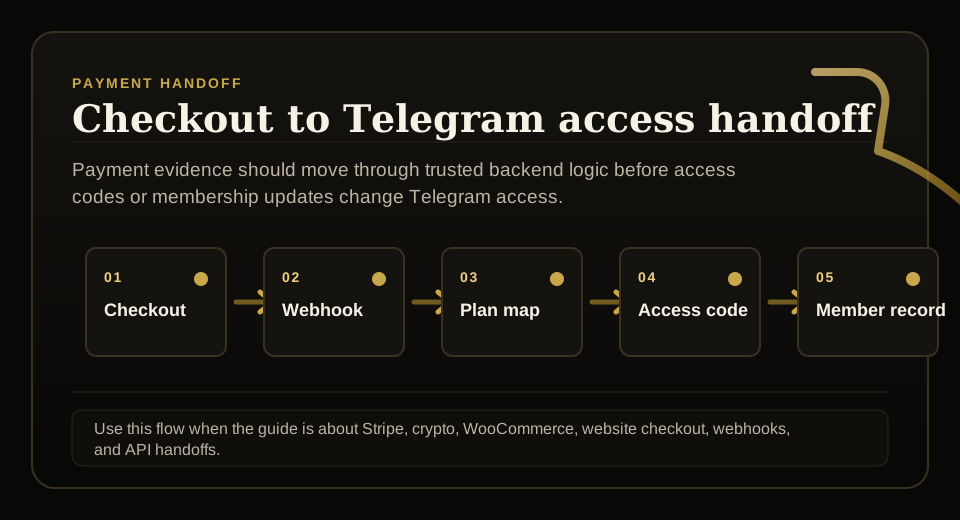
Use this guide when checkout, webhooks, renewals, invoices, or external payment evidence must become a reliable Telegram access event.
Next read: Telegram Membership API Integration Guide.
How this guide was produced
Every guide is written for the same paid-access workflow: payment evidence, Telegram identity, plan status, support lookup, and expiry enforcement.
Published by KickThemBot from product documentation, launch runbooks, integration tests, and paid-access operating procedures.
Payment-handoff planning: Stripe, crypto, website checkout, server-side events, access-code redemption, renewals, and support evidence. Automation may assist drafting and page generation; indexed guides are selected for a distinct user job and reviewed against the documented workflow. Claims avoid fake rankings and hidden guarantees.
To help admins make a safer access decision before moving members, payments, invite paths, or expiry rules.
Implementation steps
- Assign one project-scoped key per trusted backend integration or project boundary.
- Store the key in a server-side environment variable or secret manager, not in frontend code.
- Log request outcome, project, member lookup, and access result without logging the raw key.
- Rotate keys when an owner changes, an integration is replaced, or a secret may have been exposed.
Scope keys to the project
A paid Telegram operator may run several projects, websites, and support workflows.
Project-scoped keys make it easier to isolate access if one integration breaks or one client changes ownership.
Store keys only on trusted servers
A static website, public JavaScript file, or client-side checkout page should not hold a membership API key.
The website backend should confirm payment, then call the membership API from trusted server code.
Log the outcome, not the secret
Operations logs should help support answer what happened: project, plan, buyer, event, membership status, code state, and access result.
They should not print bearer tokens, project API keys, webhook secrets, or full private payment data.
Plan key rotation
Key rotation should not be a panic-only task. Document who owns the key, which integration uses it, and how to test the replacement.
After rotation, run access-code creation, membership lookup, renewal update, and support lookup tests before sending paid traffic.
FAQ
Where should Telegram membership API keys be stored?
They should be stored server side in environment variables or a secret manager. They should not be embedded in static pages, browser JavaScript, public repositories, or support screenshots.
Why use project-scoped API keys for Telegram membership access?
Project-scoped keys reduce blast radius. If one website, client, or community has a problem, the team can rotate or restrict that project without affecting unrelated paid Telegram groups.